
Latest News
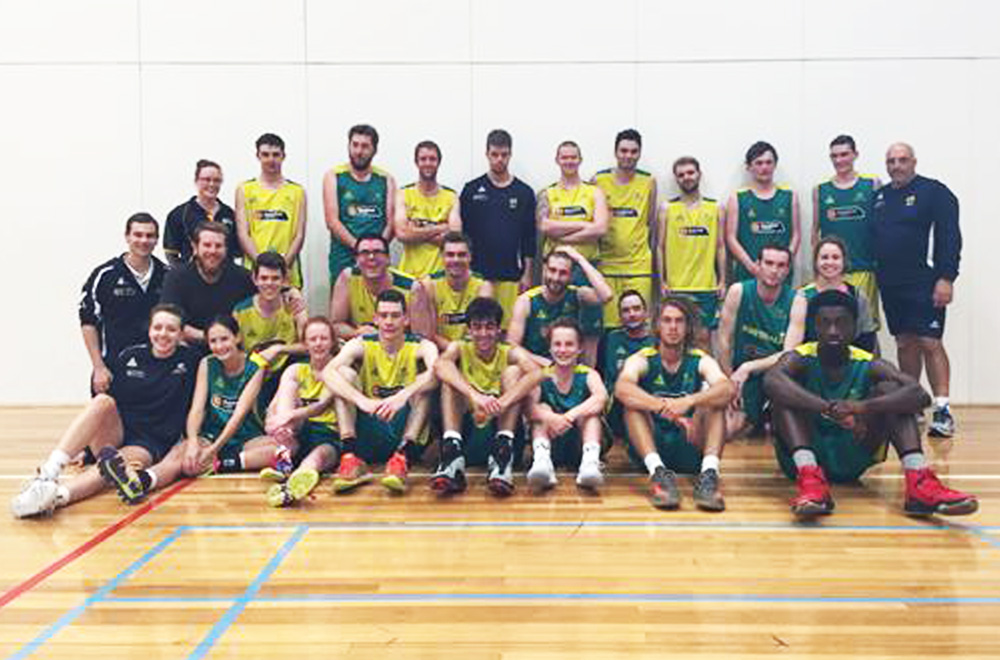
Boomerangs Return to Italy for World Championships
8 September 2017
At Sport Inclusion Australia, we have spent 40 years working to ensure people with an intellectual impairment including intellectual disability and/or autism can access, participate and thrive in sport. Over the past 100 days, that work has continued at full pace.
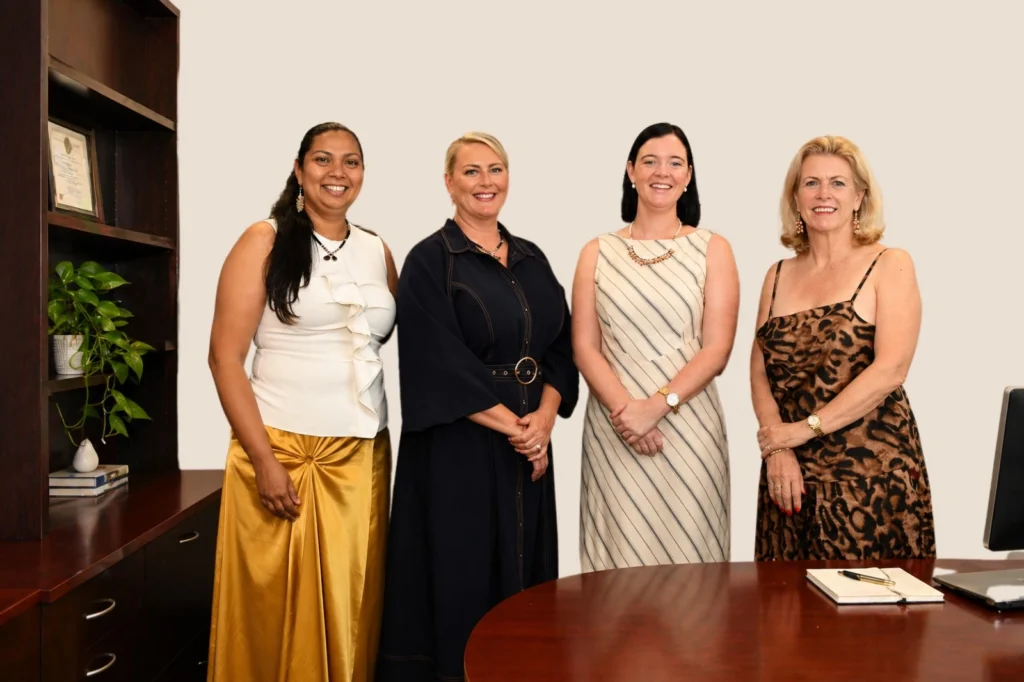
January marked an important leadership transition, with Chantel Lewis stepping into the CEO role —building on a strong and respected legacy, while bringing a clear focus on connection, impact, and system alignment across the sector.
Behind this work is a highly experienced and deeply committed Board and national membership network. Collectively, there is more than 200 years of experience driving inclusion through sport —experience that continues to show up, day in and day out, across the country.
Because inclusion at this level is not achieved alone – it is built through relationships.
For over four decades, we have worked directly with sport to make systems more inclusive of all people—especially athletes with an intellectual impairment. That approach continues to guide us as we strengthen partnerships across the sector, including our growing collaboration with School Sport Australia.
Across the country, this work is active, evolving, and growing in impact.
In Queensland, we are building momentum in the lead-up to Brisbane 2032. In New South Wales and the ACT, strong connections with inclusive sport programs remain. In Tasmania and the Northern Territory, delivery continues across regional and remote communities. In South Australia, we are advocating to ensure athletes are not left behind. In Western Australia, and Victoria partnerships and delivery continue to strengthen.
At a national level, we continue to work alongside Paralympics Australia and the Australian Sports Commission to embed inclusion across both participation and high-performance pathways.
And importantly—sport is leaning in with national organisations actively engaging in building more inclusive environments.
Over the past 100 days, we have delivered targeted workshops and seminars with Australian Taekwondo, Swimming Australia, and Australian Athletics—working directly with coaches, staff and leaders to build system capability, strengthen understanding of inclusion, eligibility, and athlete pathways, and embed inclusive practices across community and grassroots settings, through to training and competition environments.
This system-level work is being matched by strong progress in the school pathway.
The Included Through School Sport Queensland program continues to grow, creating more opportunities for students with disability to access and progress through sport. We are now working toward scaling this nationally, in partnership with School Sport Australia, through the development of a national framework for inclusive school sport.
And while much of this work happens behind the scenes, the impact is visible where it matters most—across sport.
Athletes have been competing across the nation—from the Ivor Burge Championships to the National Cricket Inclusion Carnival, from Cycling Championships to Athletics events around Australia. In every setting, we are seeing what inclusion looks like in action: athletes showing up, competing, and belonging.
At the same time, we are seeing the next generation emerge.
More athletes are entering the development pathway—earlier, more prepared, and with greater visibility. Through talent identification, school engagement, and stronger partnerships, we are seeing a system that is beginning to work better for athletes with an intellectual impairment—not just at the point of entry, but across their journey.
Because inclusion is not only about access—it’s about progression, and it requires a system that is designed to support both.
That’s why we continue to invest in athlete leadership training, ensuring athletes are not only participants in sport, but leaders within it.
All of this aligns with the Play Well Strategy — a national commitment to building a more inclusive, connected and sustainable sport system. Our role is to ensure athletes with an intellectual impairment are not an afterthought in that system—but a central part of it.
So, while 100 days may seem like a short window, it tells a much bigger story.
A system that never stops.
A network that continues to show up.
And athletes who, when given the opportunity, continue to rise.
This is what the team at Sport Inclusion Australia works on everyday – and has been for the last 40 years – building towards inclusion.

In case you missed it:
National Events
Virtus Events
Share this article
8 September 2017
14 July 2022
23 October 2020