
Impact Story
It Started on a Netball Court: Marie Little and the Founding of Sport Inclusion Australia
Sport Inclusion Australia’s story began 40 years ago. This is the story of Marie Little OAM — and how an opportunity for women with an intellectual disability to play netball helped spark a movement for inclusion in Australian sport.
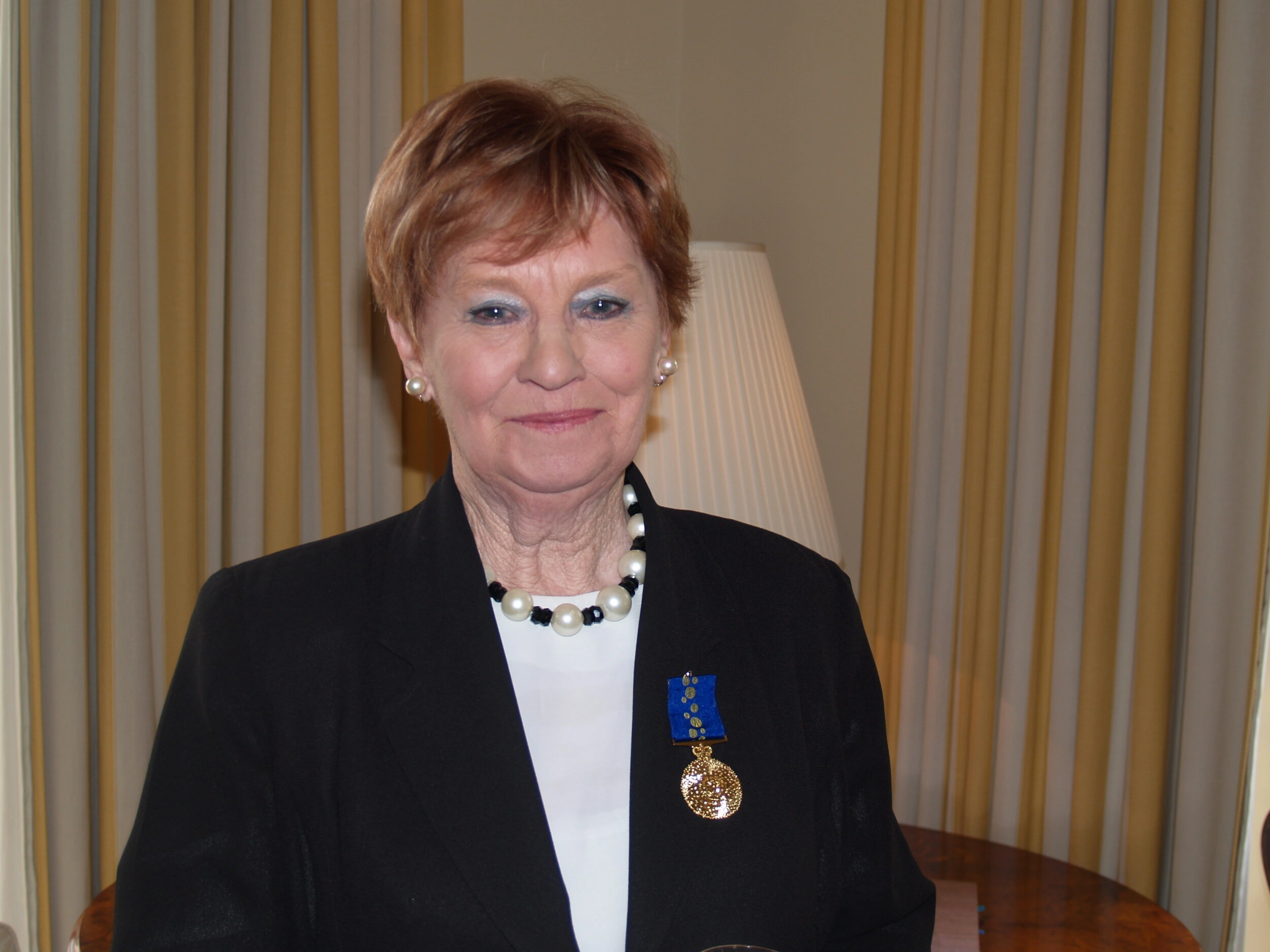
For Sport Inclusion Australia, our story begins on a netball court.
Long before there was a national competition bearing her name, Marie Little OAM saw a gap. Women with an intellectual disability wanted the same opportunity to play sport as everyone else, but there was nowhere for them to go.
Marie was a mother, social worker, avid netballer, coach and administrator. After moving to Adelaide with her four children, her professional work brought her alongside people with an intellectual disability, particularly young women.
When some of those women asked if they could play netball, Marie helped make it happen.
The first time they arrived at the courts, they came in street clothes. Marie helped organise uniforms and the correct footwear, but her ambition went much further than simply giving the women somewhere to play.
Working with the South Australian Netball Association, Marie helped establish the H Grade competition in 1983.
Importantly, the players weren’t separated from the sport. They played at the same venue as other netballers, wore the same uniforms and had the opportunity to progress into higher grades as their skills developed.
This was a philosophy that would define Marie’s life’s work and the founding of Sport Inclusion Australia: people with an intellectual disability belonged in sport too.
From One Netball Court to a National Movement
What began in South Australian netball soon became something much bigger.
Following the establishment of the competition, Marie founded SASRAPID — the South Australian Sport and Recreation Association for People with an Intellectual Disability.
She also began connecting with people across Australia who shared her belief that athletes with an intellectual disability should have opportunities within mainstream sport.
Those relationships helped lead to the establishment of the Australian Sport and Recreation Association for People with an Intellectual Disability — AUSRAPID — in 1986, the same organisation now known as Sport Inclusion Australia.
The approach through netball became a model for the new organisation: work with sporting organisations to create opportunities for athletes with an intellectual disability within their sport.
It wasn’t about building a separate sporting system. It was about opening up the existing one.
Over the decades that followed, Marie took that belief far beyond the netball court.
She became a founding director of the Australian Paralympic Federation (now known as Paralympics Australia) in 1990 and served on its Board for four years. She later became President from 1996 to 1997 in the lead-up to the Sydney 2000 Paralympic Games.
In 1992, as Chef de Mission of the Australian team, Marie led Australian athletes with an intellectual disability competing at the Madrid Games for athletes with an intellectual disability, held immediately following the Summer Barcelona Paralympic Games.
Internationally, Marie became the first woman elected to the International Paralympic Committee’s Executive Board, serving from 1993 to 1997. She was also involved for many years with INAS-FID (now known as Virtus), the international federation for athletes with an intellectual impairment.
Across each role, the focus remained the same: ensuring people with an intellectual disability weren’t left behind.
To this day, Sport Inclusion Australia remains a founding member of Paralympics Australia and Virtus.
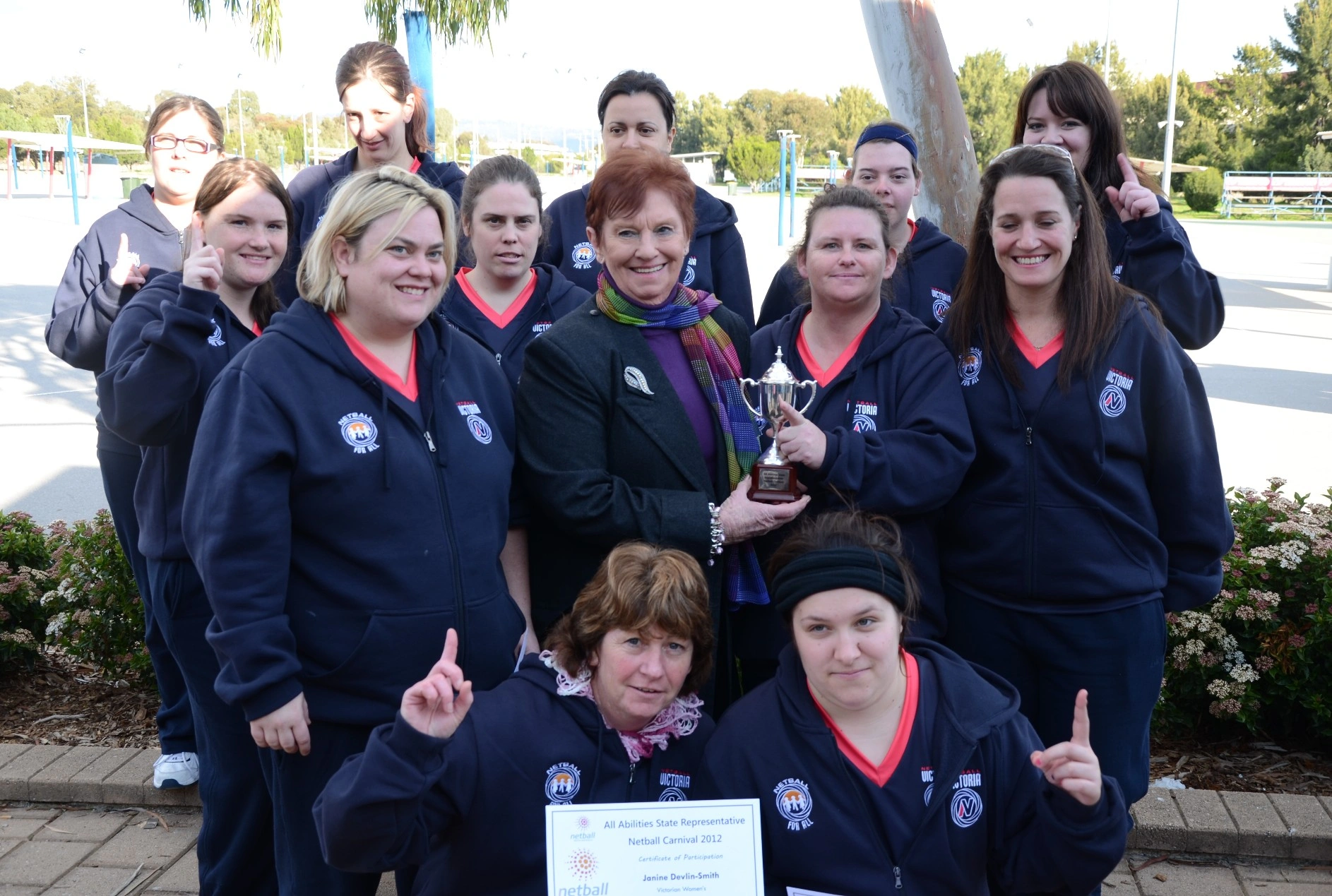
Marie Little holds a trophy and stands at the centre of the Victorian Netball team from the All Abilities State Representative Netball Carnival in 20212.
A Legacy That Still Shapes Our Work
The lessons from those early netball courts would shape much of what followed.
Sport Inclusion Australia has since worked across more than 25 sports and sporting events, advocating and lobbying for athletes with an intellectual impairment to have opportunities to participate, progress and compete within mainstream sport.
And netball has remained an important part of our story.
A national competition for women with an intellectual disability paused for a time after Marie started it. Sport Inclusion Australia worked alongside netball organisations around Australia to help rebuild the pathway.
In 2013, the competition was named the Marie Little Shield in recognition of the woman whose advocacy had helped open the sport to generations of athletes.
Marie attended the inaugural competition under her name in 2013. She passed away on 17 August 2014, during the following year’s event.
Our organisation began because a group of women simply wanted the opportunity to play netball — and Marie believed they should have it.
She opened a door, then spent her life making sure others could follow.
Quick Links
Share this impact story
Supporting Champions
Every donation, big or small, makes a difference.
We believe the impact is more that the sport— it’s a lifelong path for inclusion, confidence, leadership and community.